Rioja Wine Tour
Visitor Guide

Rioja Wine Tourism

La Rioja's wine country stretches across three sub-zones — Rioja Alta, Rioja Alavesa, and Rioja Oriental — each with distinct terroir and centuries-old cellars open to visitors. This guide covers the logistics of planning a wine-focused trip to the region, from museum hours to harvest calendars.

8 min read Updated 2026-09-30 Fact-checked
Rioja Wine Tourism

Quick answer

Rioja wine tourism centers on cellar visits, wine museums, and vineyard walks across La Rioja's denominación de origen, with most bodegas open Tuesday through Saturday and requiring advance reservations. The Vivanco Museum of Wine Culture in Briones operates daily from 10:00 to 18:00 with standard entry at 18 EUR per adult. Harvest season runs from late September through October, when many estates offer crush and fermentation tours.

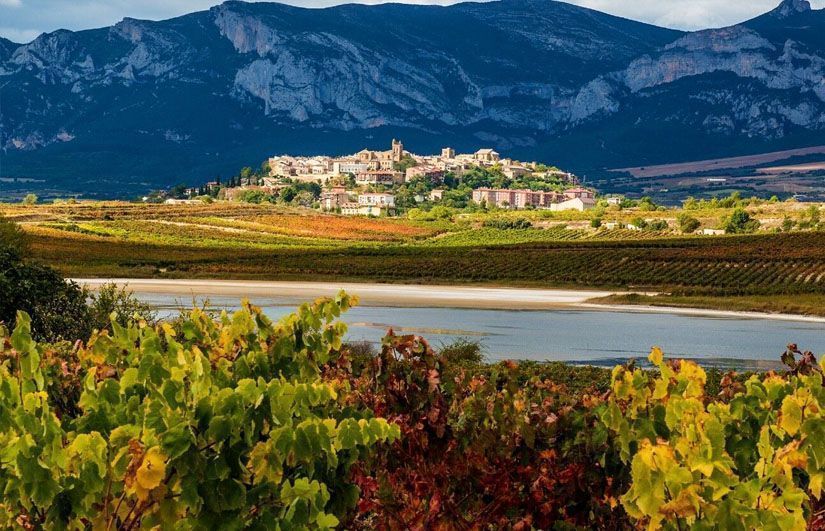
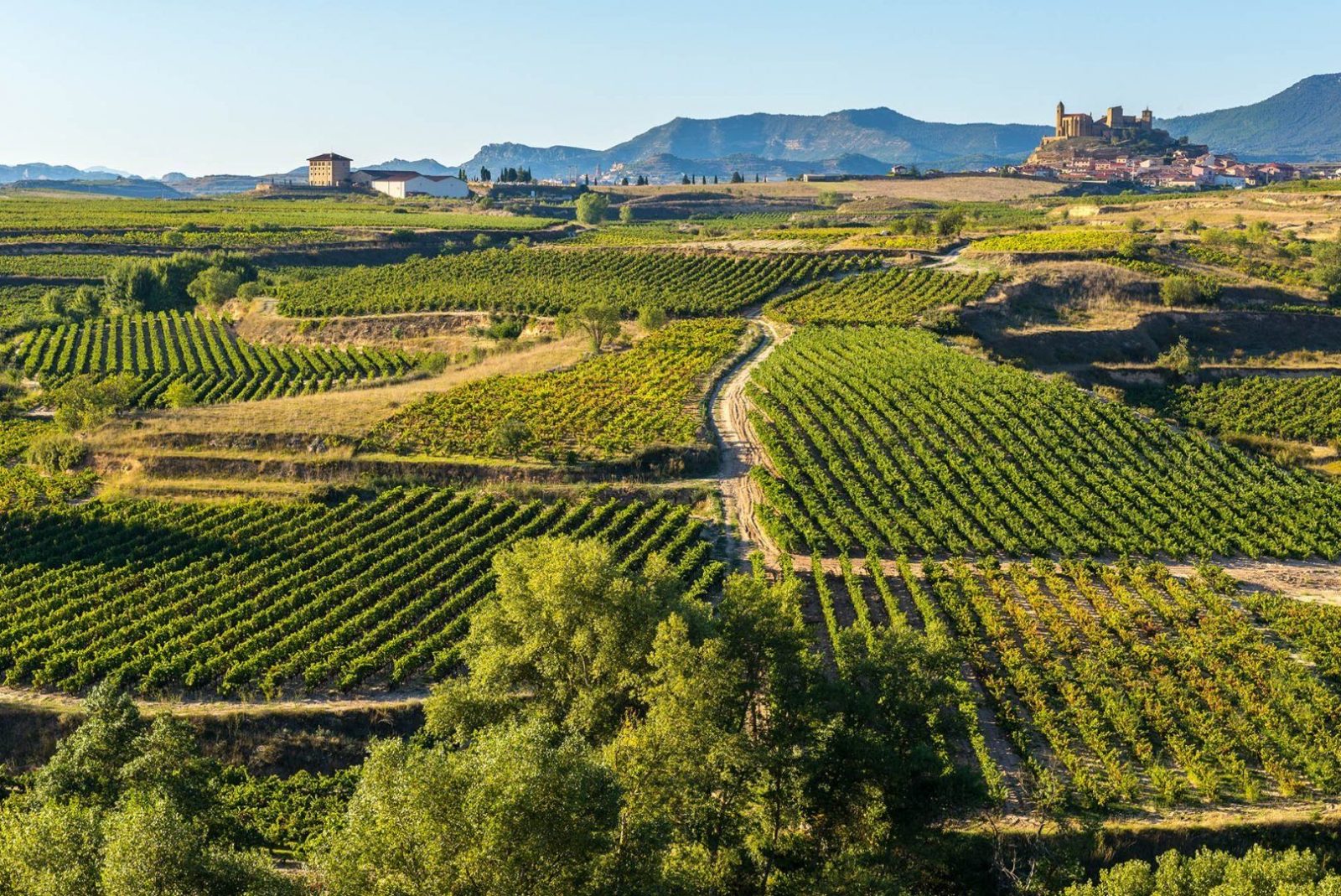
La Rioja produces roughly 280 million liters of wine annually, yet fewer than forty of its 600 bodegas maintain regular public visiting hours without prior arrangement. The denominación de origen spans 64,000 hectares along the Ebro River valley, divided into three geographic bands that ripened into distinct winemaking traditions during the phylloxera recovery of the late 19th century. Rioja Alta, anchored by Haro, built its reputation on Tempranillo aged in American oak; Rioja Alavesa, across the river in Basque Country, favors younger carbonic-maceration styles; Rioja Oriental (formerly Rioja Baja) specializes in Garnacha and rosados suited to its warmer Mediterranean microclimate. Visitors planning a rioja wine tourism itinerary face a practical decision: museum-anchored or bodega-focused. The Vivanco Museum in Briones offers a chronological walk through 8,000 years of viticulture without requiring cellar appointments, while estate tours at marquee producers like López de Heredia, CVNE, or Marqués de Riscal must be booked weeks ahead during high season. Village-hopping between Haro, Laguardia, and Briones by car allows spontaneous tasting-room stops at smaller cooperatives, though Spanish licensing laws mean many charge a nominal tasting fee even without a formal tour. The medieval quarter of Laguardia conceals dozens of family calaos — limestone cellars dug beneath townhouses — some dating to the 12th century and now operated as private tasting salons. Seasonal rhythm dictates the character of the visit. Harvest begins in late September and peaks in early October, when the smell of fermenting must fills Haro's Barrio de la Estación and many estates open their crush pads to small groups. Spring — April through early June — sees the vines flowering and the Rioja Alta Wine Route organizing guided walks through the vineyards of San Vicente de la Sonsierra. Winter visits trade vineyard access for longer cellar time; January and February remain the quietest months, and several historic bodegas offer extended barrel-hall tours unavailable during summer crowds. The region's wine-route signage, installed in 2003 and updated in 2019, marks roughly 120 kilometers of paved loops connecting twenty villages, with dedicated pull-offs at mirador viewpoints above the Ebro bend. La Rioja wine routes reward preparation more than spontaneity. Confirm opening days before driving to a remote bodega, and expect Monday closures across the region. Designate a driver or arrange return transport to Logroño; rural bus service ends by early evening, and ride-hailing coverage remains sparse outside the provincial capital.

“La Rioja produces roughly 280 million liters of wine annually, yet fewer than forty of its 600 bodegas maintain regular public visiting hours without prior arrangement.”
Itinerary

Planning Your Rioja Wine Tourism Visit

This 90-minute itinerary suits first-time visitors wanting a comprehensive introduction to Rioja's wine heritage through the Vivanco Museum's exhibitions and cellars.

10:00

Arrival and Museum Entry

Present your ticket at reception and collect an audio guide if desired. The museum opens at 10:00, so early arrival ensures quieter galleries.

10:15

Wine Culture Exhibitions

Explore five permanent exhibition halls covering viticulture history, winemaking techniques, and regional traditions. Allow 50–60 minutes to move through the displays at a comfortable pace.

11:15

Garden of Bacchus

Step outside to the sculpture garden featuring contemporary art installations among vine rows. A brief 10-minute walk offers fresh air between indoor sections.

11:30

Historic Wine Cellar

Descend into the underground cellar to see oak barrel aging rooms and the museum's bottle collection. This 15-minute segment explains Rioja's aging classifications.

11:45

Museum Shop and Departure

Browse regional wines, books, and wine accessories in the shop before leaving. The Vivanco winery tasting room operates separately if you wish to extend your visit.

Opening hours

Opening Hours for Rioja Wine Tourism

The museum and wine tourism facilities are open daily throughout the week. Visitors can access the site during the standard operating hours listed below.

Monday
10:00–18:00
Tuesday
10:00–18:00
Wednesday
10:00–18:00
Thursday
10:00–18:00
Friday
10:00–18:00
Saturday
10:00–18:00
Sunday
10:00–18:00
The recommended arrival window for a full visit is until 16:30, ensuring sufficient time to explore the facilities before closing.
Directions

Getting to Your Rioja Wine Tourism Destination

The destination is located at Carretera Nacional 232, km. 442, 26330 Briones, La Rioja, Spain. Private transport is the most practical method for reaching this rural location efficiently.

Car 30-45 min —

N-232 highway via Logroño or Haro

Bus 60-90 min Varies

Regional bus service to Briones

Taxi 30 min Varies

Direct transfer from Logroño or Haro

Arriving within the 10:00–16:30 window is recommended to avoid afternoon crowds and ensure sufficient time for the 90-minute visit.

Timing

Best Time for Rioja Wine Tourism Arrivals

The best arrival window is 10:00–16:30. Arriving early avoids afternoon crowds and allows sufficient time for the 90-minute visit.

Harvest Season (Sept-Oct)

High

Mild, 15°C to 24°C

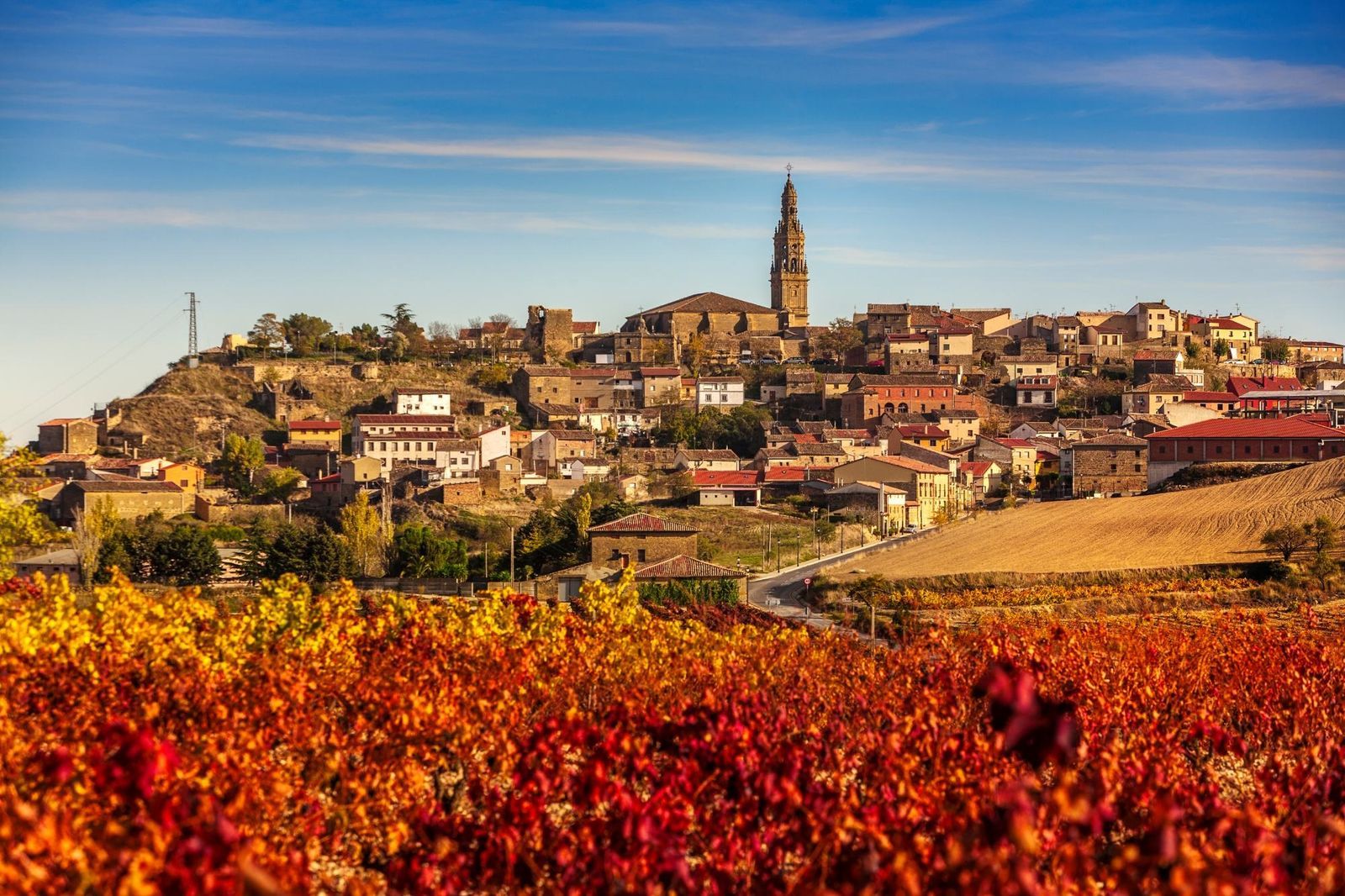
Vineyards are active and landscapes feature autumn colors. This is the busiest time for wine tourism.

Spring (April-June)

Moderate

Cool to warm, 10°C to 22°C

Vines begin to bud and temperatures remain comfortable for outdoor exploration. It is an ideal period for visiting wineries.

Weekday Mornings

Low

—

Mid-week visitors experience smaller groups and more personalized attention at facilities. Arriving within the 10:00–16:30 window ensures a relaxed pace.

Verdict: The concrete best slot for a visit is Tuesday to Thursday, arriving at 10:00, during the months of April or October.

Nearby

Expanding Your Rioja Wine Tourism Itinerary

The region surrounding Briones offers a dense concentration of historic wine villages and cultural landmarks that provide historical context for your visit. These nearby destinations allow you to experience the broader architectural and viticultural heritage of La Rioja within a short drive.

Briones Village

Briones Village

5 min drive

This medieval hilltop village is located just minutes away and features narrow cobblestone streets and well-preserved manor houses. It provides a direct look at the traditional Riojan environment where local wine culture is deeply rooted.
Haro

Haro

15 min drive

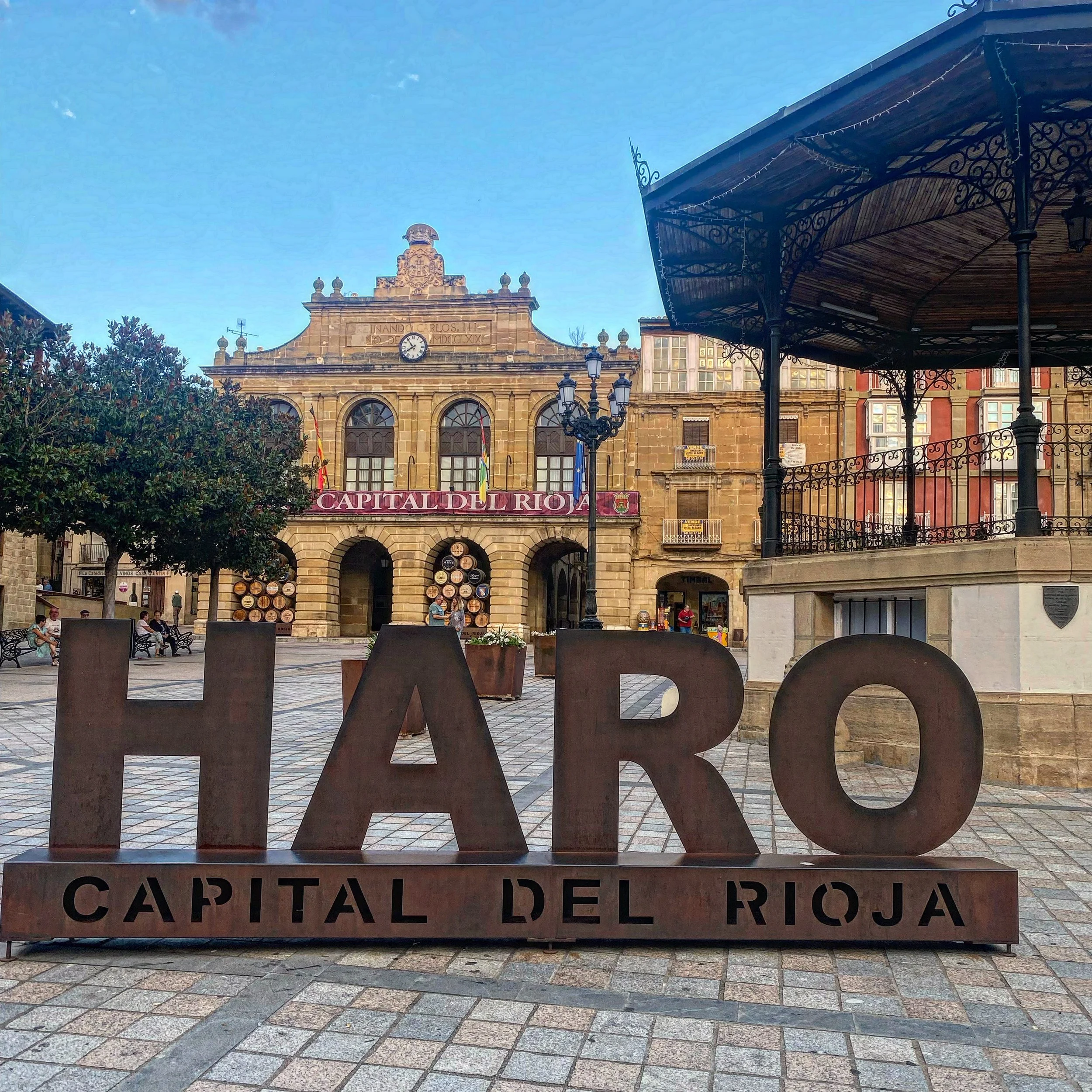
Known as the capital of Rioja wine, Haro houses many historic bodayas in its Station District. Visiting this area offers a comprehensive perspective on the regional winemaking history and industry development.

Santo Domingo de la Calzada

Santo Domingo de la Calzada

20 min drive

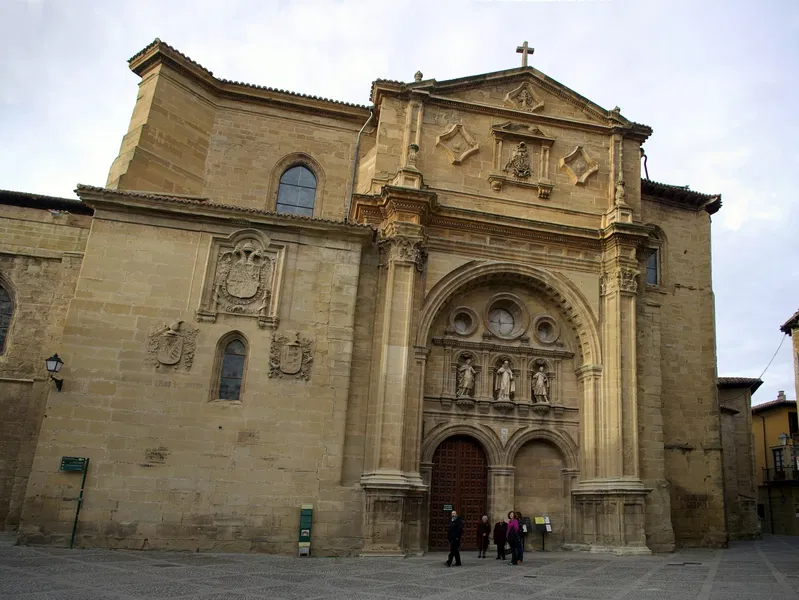
This town is a significant stop on the Camino de Santiago and features a notable cathedral with Romanesque and Gothic architecture. It complements a wine-focused trip by adding a layer of regional history and cultural heritage.

Laguardia

Laguardia

25 min drive

Located in the Rioja Alavesa sub-region, this fortified town is built above ancient wine cellars. Its defensive walls and medieval layout create a distinct atmosphere that contrasts with the surrounding vineyards.

Book

Check availability

Frequently asked

Common Questions About Rioja Wine Tourism

Everything you need to know about rioja wine tourism

What should I know before starting my rioja wine tourism journey?

To make the most of rioja wine tourism, visitors should plan for a comprehensive experience that covers the history of viticulture. It is helpful to research the local heritage and exhibition themes before your arrival. The site provides extensive insights into wine culture beyond simple tastings. We recommend checking our booking widget to secure your access in advance.

How much is the entry fee for rioja wine tourism sites?

The standard museum entry fee per adult is 18 EUR. Please note that this fee provides access to the primary exhibition spaces and facilities. We do not sell tickets directly, but you can find links to booking options within our portal.

What are the operating hours for this landmark in La Rioja?

The facility is open daily from 10:00 to 18:00. These hours apply throughout the week, including weekends, to accommodate various travel schedules. We recommend verifying these times before your journey to ensure a smooth visit to this La Rioja landmark.

How long should I plan for my visit to this cultural site?

A typical visit lasts approximately 90 minutes. This duration allows enough time to explore the vast collection of oenological artifacts and displays at a comfortable pace. Adjust your schedule if you plan to spend additional time in the surrounding vineyards.

Is rioja wine tourism suitable for visitors with children?

Families are welcome to explore the history of wine together at the museum. The exhibits offer an educational look at traditional barrel making and viticulture techniques. Keep in mind that the focus is on the heritage of the region rather than consumption.

What is the best arrival window for wine tours in Briones?

Arriving between 10:00 and 16:30 is recommended to avoid afternoon crowds. This window provides the necessary time to enjoy your 90-minute visit without feeling rushed. Starting your day early ensures a more relaxed experience within the historic Briones setting.

Keep reading

More guides & pages